Strategic Vision

Build a globally influential innovation hub for foundational BCI hardware and intelligent microsystems, supported by a self-reliant ecosystem spanning industry, academia, research, and real-world application.

Platform Profile

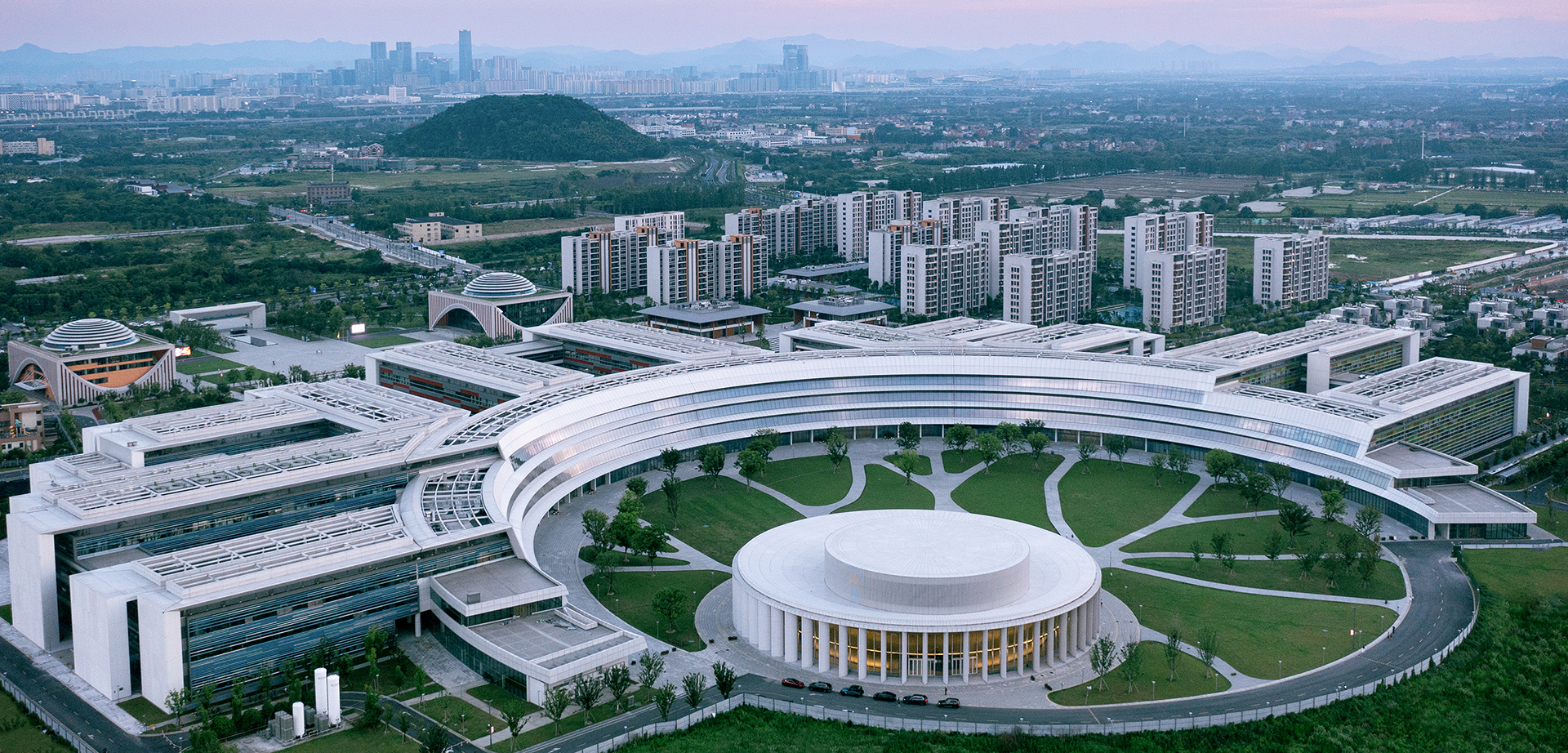
Approved as a provincial engineering research center in Zhejiang, the Center is based at Westlake University and works with leading medical institutions and companies on engineering breakthroughs in high-throughput neural acquisition and ultra-low-power systems-on-chip.

Core Principles

Grounded in hardware, enabled by algorithms, guided by clinical needs, and strengthened by cross-disciplinary work, the Center tackles engineering bottlenecks in throughput, power, and long-term implant stability to accelerate translation into medical devices.

Advanced Design and End-to-End Validation

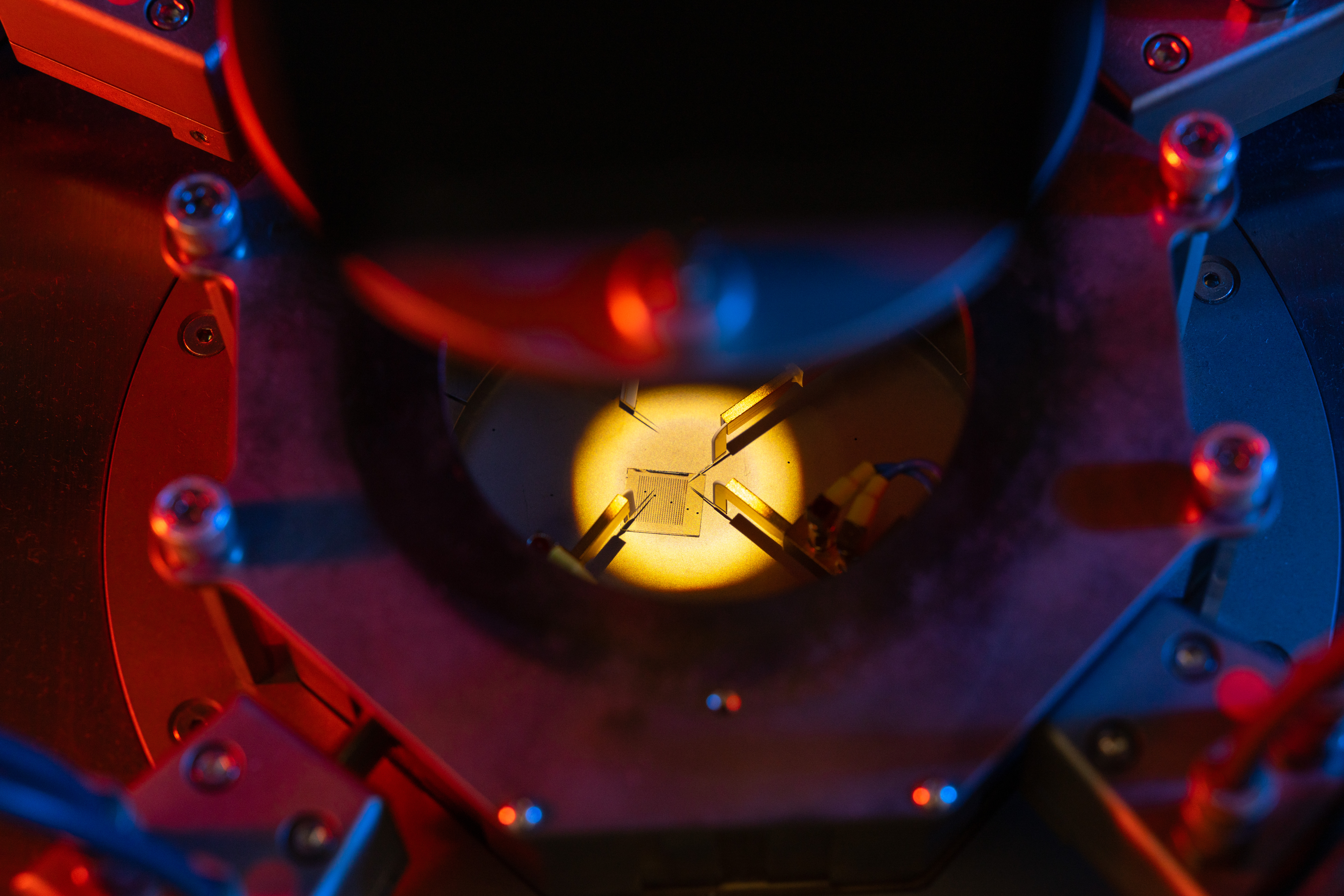
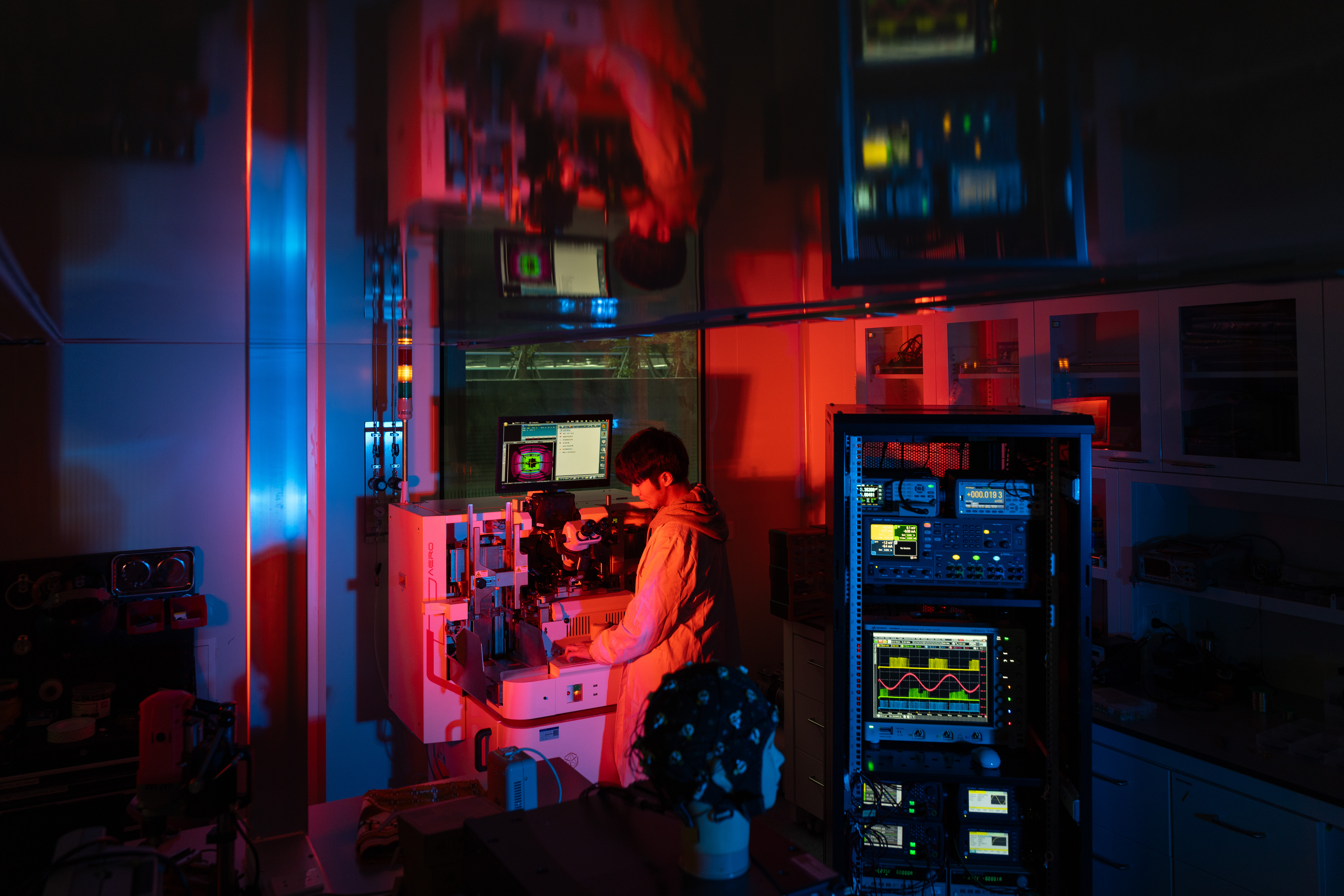
Built to international standards, the Center is equipped with high-precision probe stations, bonding equipment, and comprehensive analog and digital circuit testing systems. Its end-to-end hardware capabilities span post-tape-out testing, high-density microsystem integration, and closed-loop system development, supporting major national research programs and the commercialization of frontier technologies.

Integrated Microelectronics Testing Laboratory
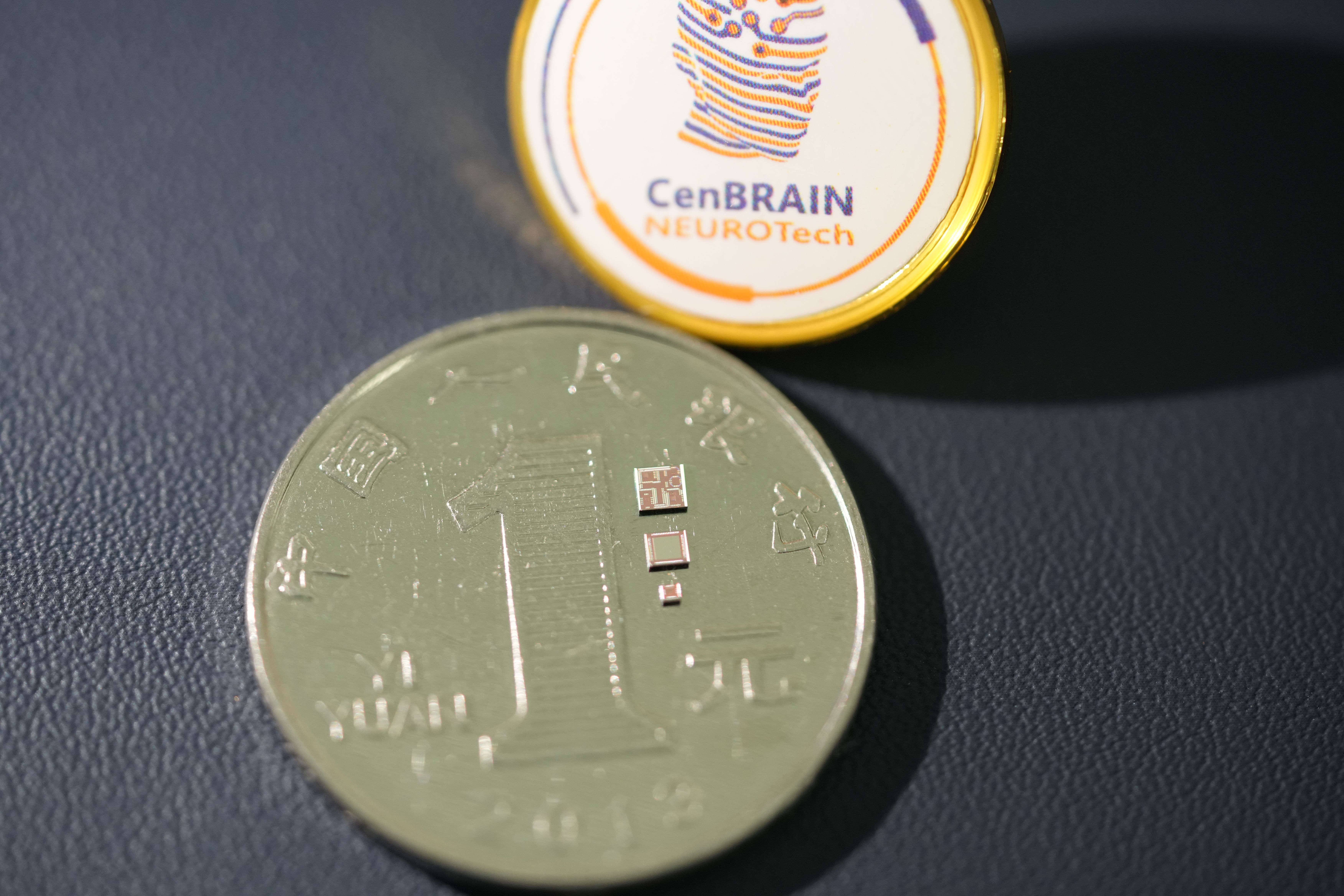
High-Throughput Neural Signal Readout Chip
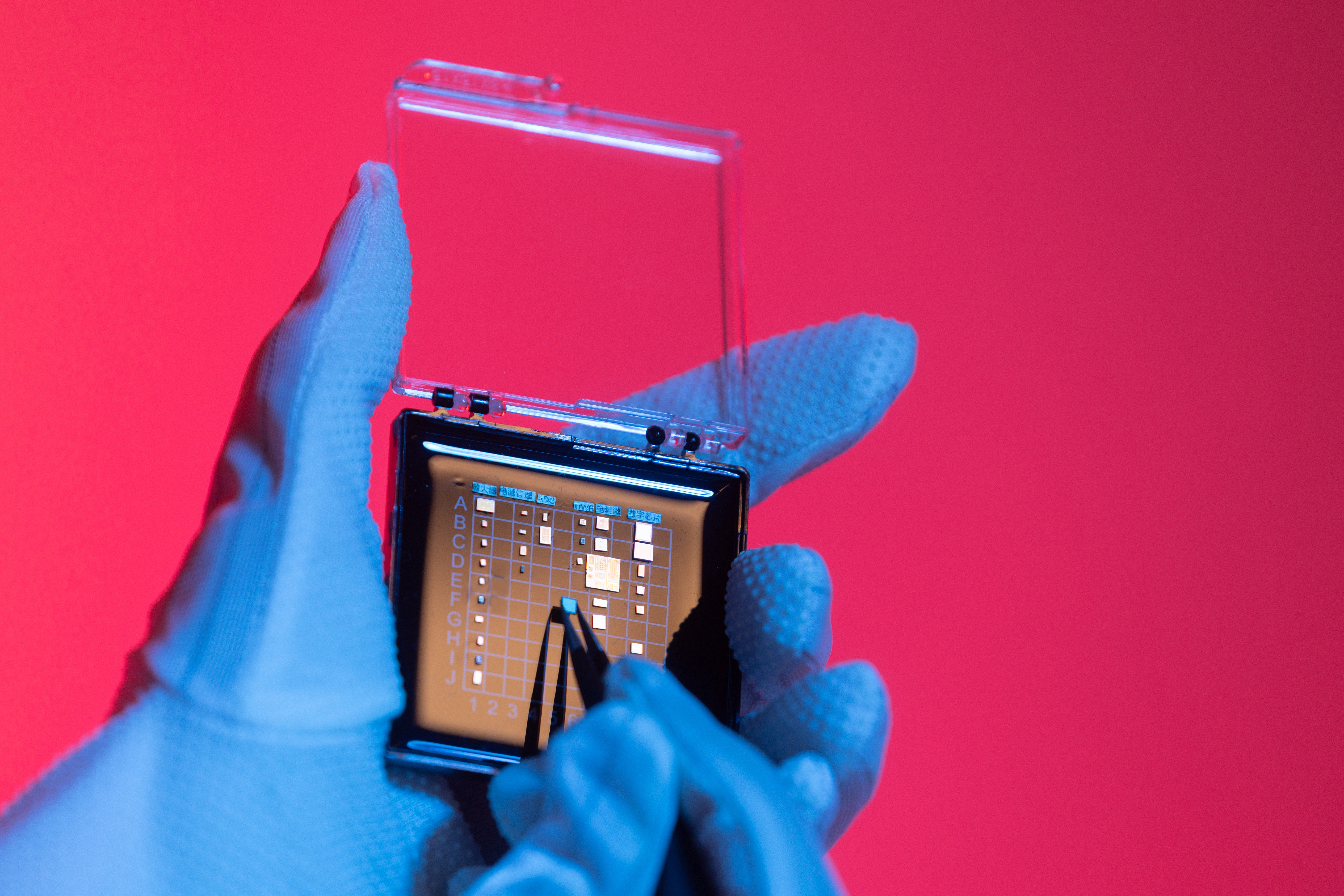
Flexible Electrode and Packaging Tests
Acquisition and Stimulation Chip Tape-Out Validation
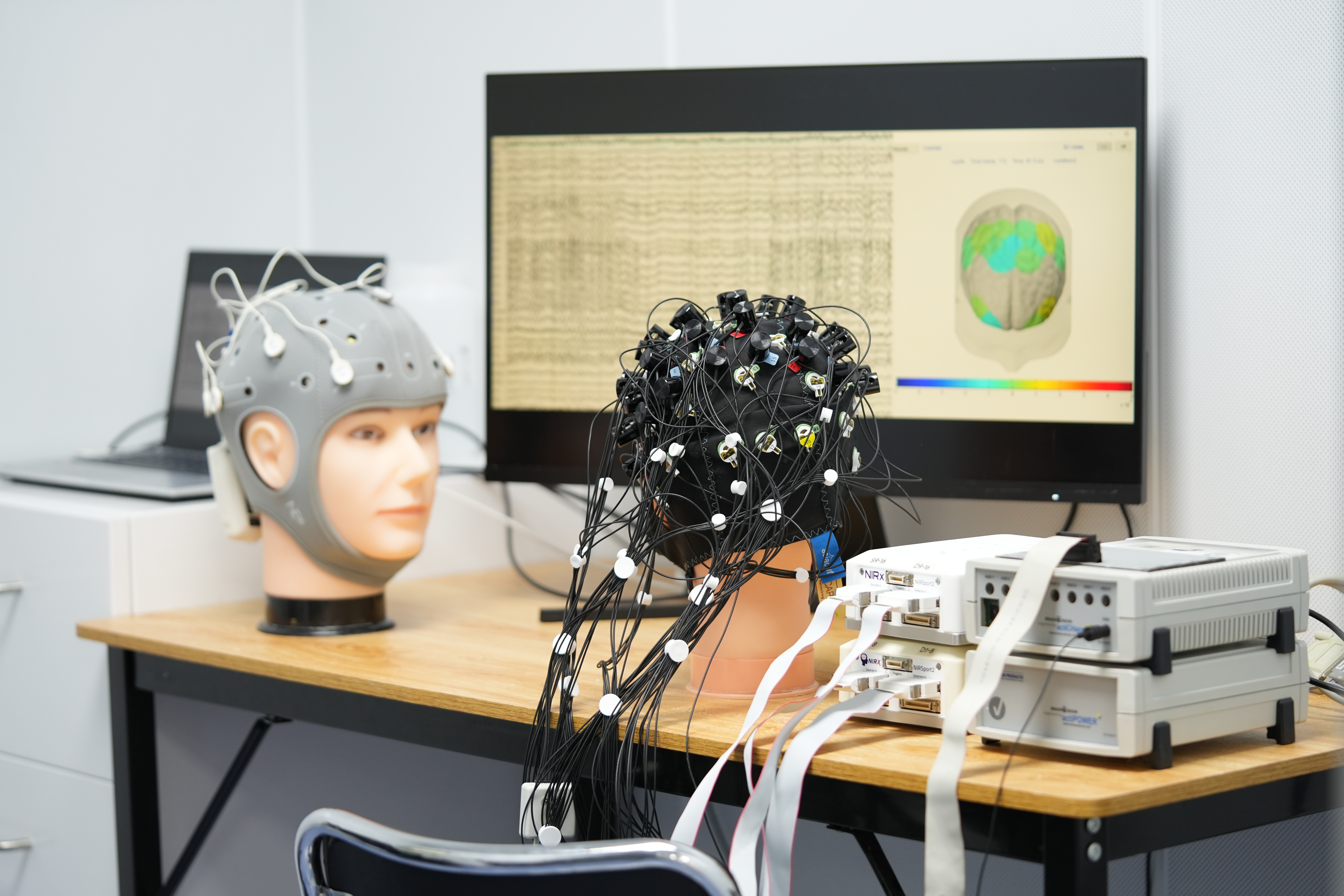
EEG and Neural System Test Platform

Linking Clinical Scenarios with Engineering Validation

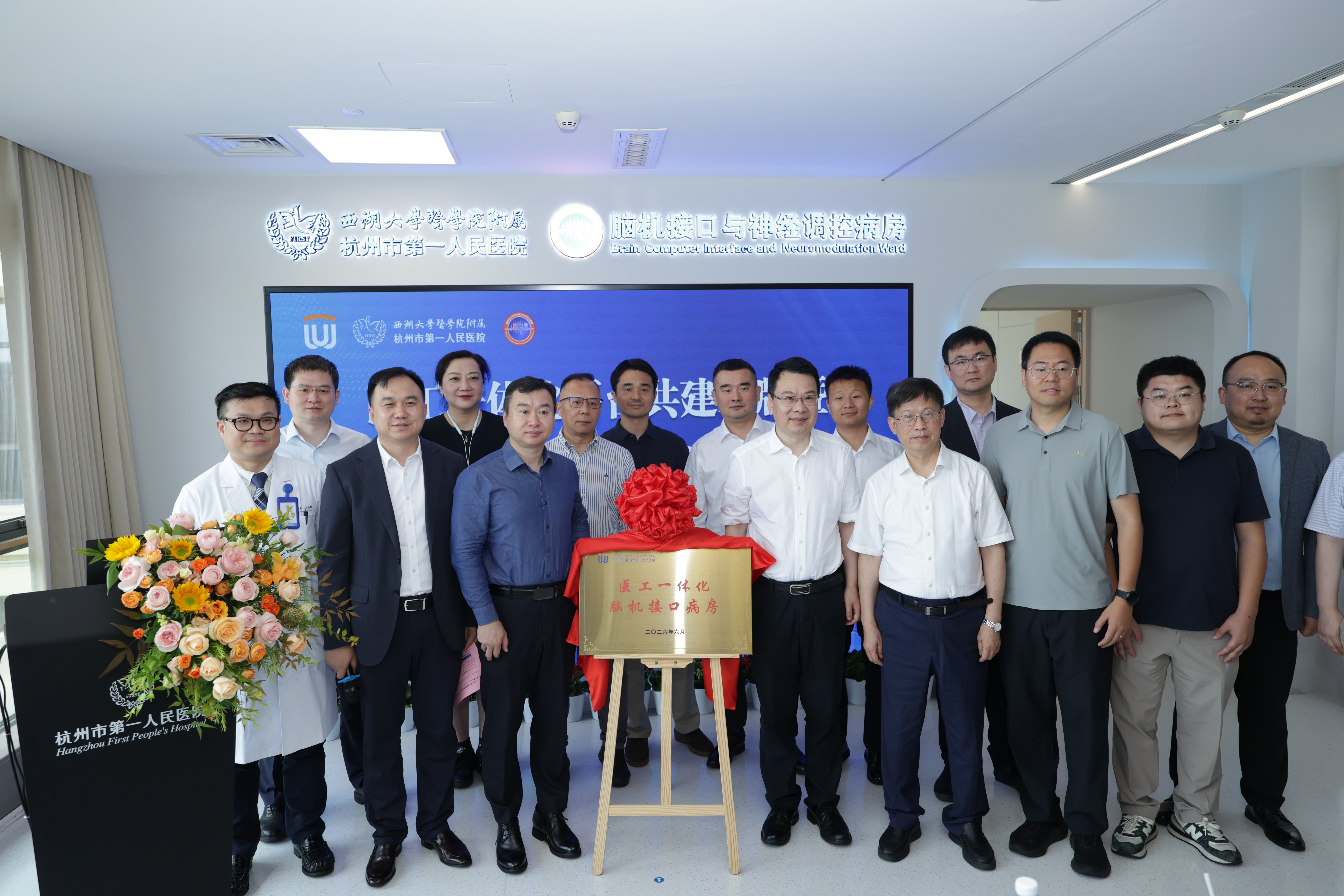
With the First People’s Hospital of Hangzhou, affiliated with the Westlake University School of Medicine, as its clinical base, the platform creates a closed loop linking clinical needs, engineering validation, data feedback, and technology translation.

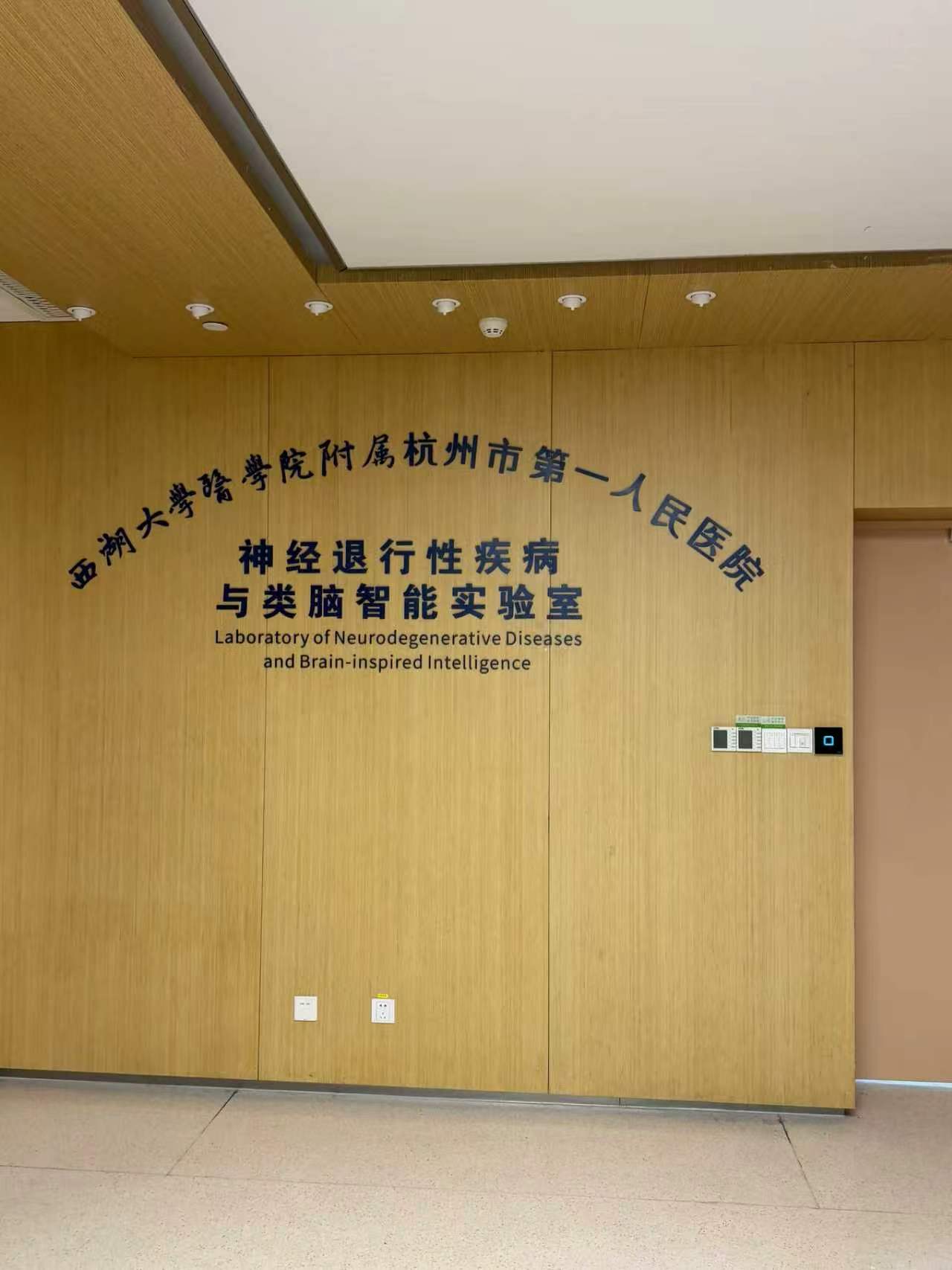
The First People’s Hospital of Hangzhou, Affiliated with the Westlake University School of Medicine

As a municipal general hospital in Hangzhou and a directly affiliated hospital of the Westlake University School of Medicine, it connects clinical care, medical research, professional training, and technology translation.

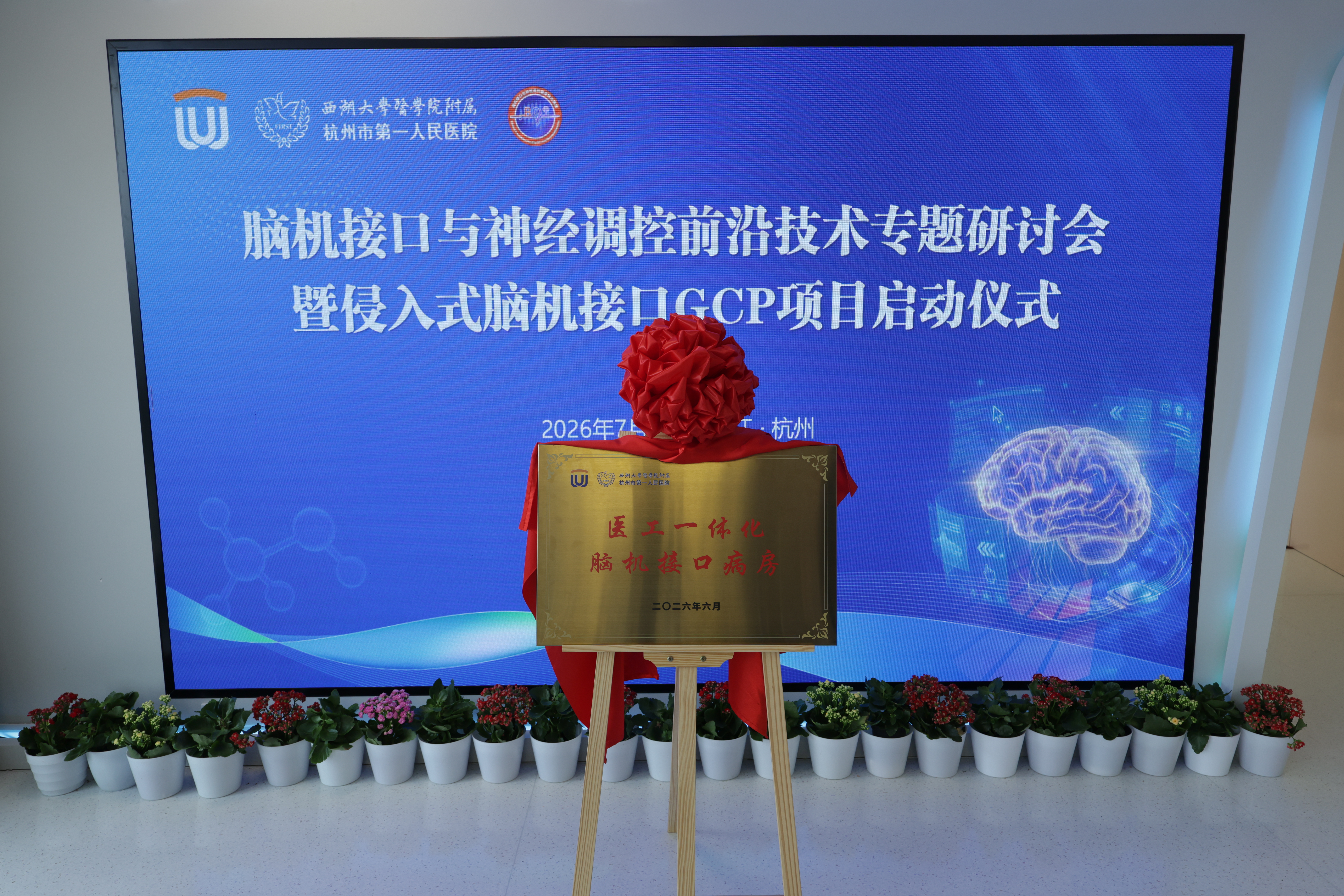
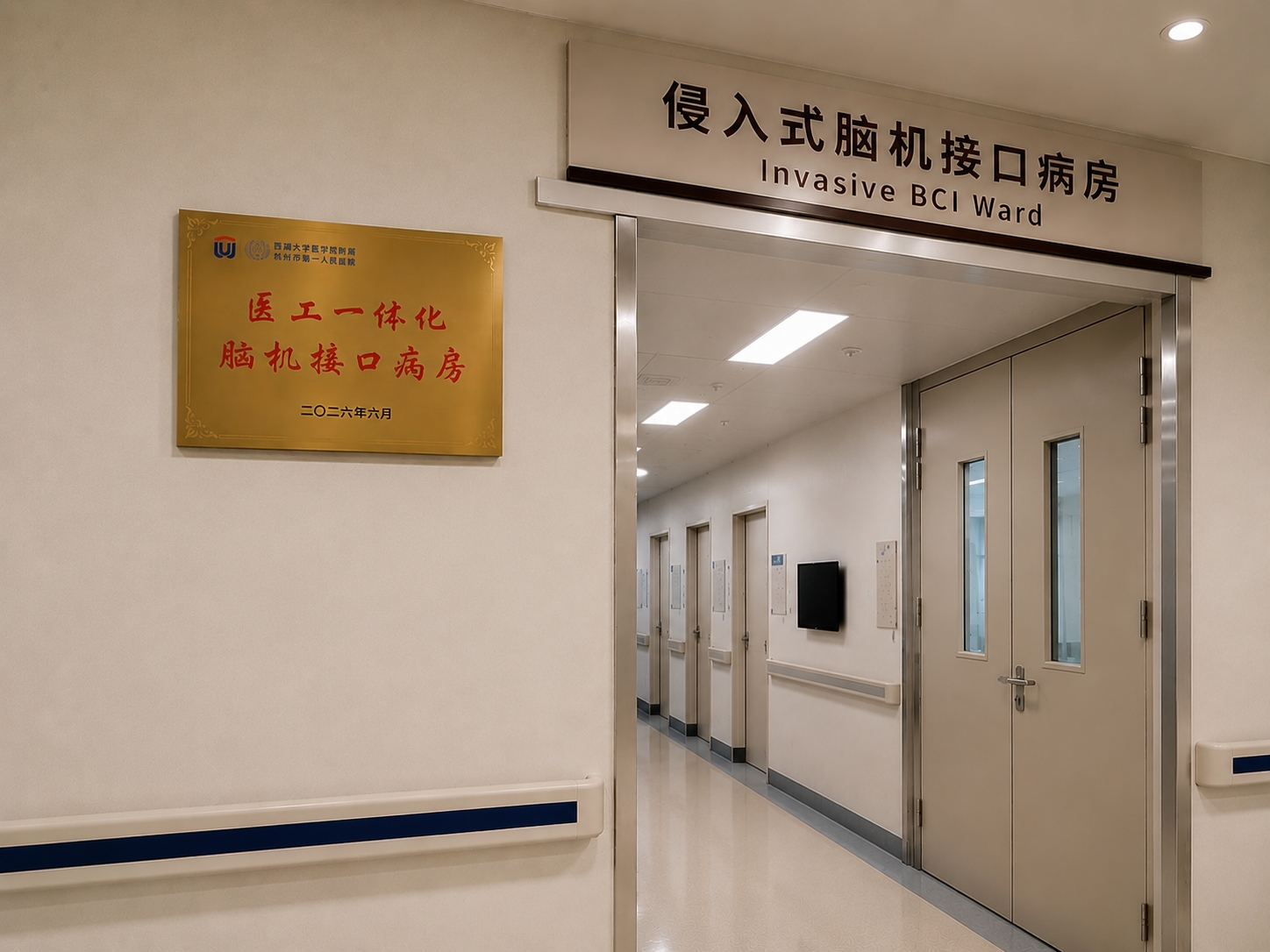
Integrated BCI Clinical-Engineering Ward

Guided by real patient needs, the platform jointly validates acquisition chips, neural signal processing, Chinese-language neural decoding, and system integration in a GCP-compliant BCI ward and an integrated clinical-engineering ward.

  • Clinical scenarios: identify real needs and trial settings for neurological impairment and communication assistance.
  • Engineering platform: combine EEG acquisition, stimulation control, decoding algorithms, and system integration to support repeatable validation.
  • Translation mechanism: collaboration among clinicians, engineers, and algorithm teams shortens the path from prototypes to clinical research.

Clinical Needs

Clinicians and patient scenarios define product requirements.

Joint Validation

Chips, algorithms, and systems are iterated in ward settings.

Clinical Translation

Support research, regulatory approval, and commercialization.

Technology and Research Outcomes

The Center moves key technologies from individual advances toward integrated application validation across neural chips, language decoding, system integration, and translation.

01

Neural Chip Technology

To address foundational BCI hardware needs, the Center develops high-throughput, low-noise, low-power neural acquisition chips and systems-on-chip to support stable acquisition, processing, and validation of multichannel neural signals.

This work spans chip design, tape-out validation, packaging and testing, power optimization, and system integration, providing core technical support for neural interfaces, neuromodulation, and intelligent medical devices.

02

Language Decoding

To address language impairment, assistive communication, and AI-enabled rehabilitation, the Center studies methods for acquiring, processing, and decoding language-related neural activity, strengthening BCI capabilities for communication support.

This work integrates neural signal processing, AI algorithms, and research on the neural mechanisms of language, with emphasis on language-intent recognition, personalized decoding models, and multimodal signal fusion.

03

System Integration and Validation

The Center integrates chips, electrodes, algorithms, software, and test platforms to establish engineering validation capabilities for BCI system development.

This work covers neural signal acquisition chains, system-level testing, closed-loop feedback control, and stability assessment, moving key technologies from isolated prototypes toward integrated application validation.

04

Translational Collaboration

The Center emphasizes engineering validation and translational development, working collaboratively across neural chips, BCI systems, language decoding, and intelligent medical devices.

Through collaboration with universities, hospitals, research institutes, companies, and relevant platforms, the Center supports the continued validation of promising technologies in intelligent healthcare, neurorehabilitation, and the diagnosis and treatment of neurological disorders.
Technology Commercialization

The Integrated-on-Chips Brain-Computer Interfaces Zhejiang Engineering Research Center advances the engineering validation and translation of research outcomes in foundational BCI technologies, neural chip systems, neural decoding of language, and intelligent medical devices. It works with organizations that contribute engineering development, product verification, and industry collaboration capabilities, enabling promising research to be repeatedly validated and refined in settings that closely reflect real-world needs.

Westlake Neuralicorn Technology, a company incubated by Westlake University and the Engineering Research Center, contributes to the engineering development, system validation, and application testing of the Center’s research outcomes. The collaboration will proceed in step with the Center’s research priorities and platform development, supporting the translation of BCI technologies into intelligent healthcare, neurorehabilitation, and the diagnosis and treatment of neurological disorders.
News & Updates

No updates at present.